
 BIO-PEPTIDES
 BIOTECH PEPTIDES
 BulkGLP
 CORE PEPTIDES
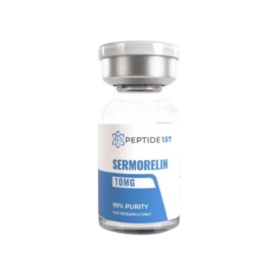 PEPTIDE157
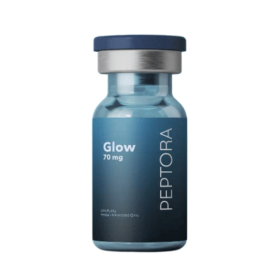 PEPTORA LABS
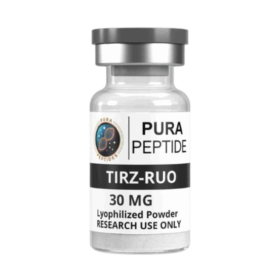 Pura Peptides
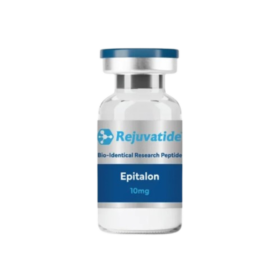 Rejuvatide-peptides
 XL PEPTIDES
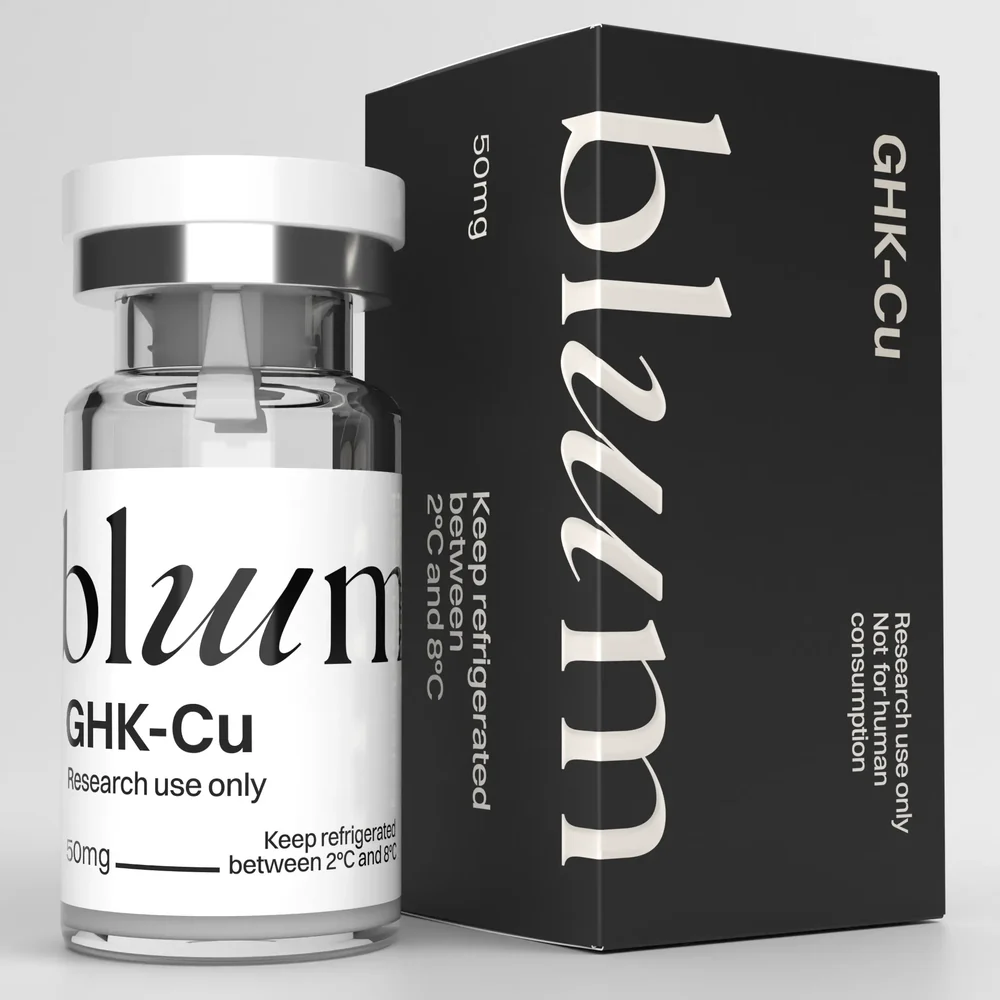
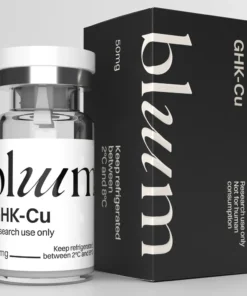
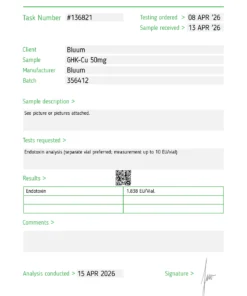
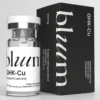
GHK-Cu 50mg
Original price was: £55.00.£35.00Current price is: £35.00.
GHK-Cu is a naturally occurring copper-binding tripeptide commonly researched for its regenerative, anti-inflammatory, and wound-healing properties. A 50mg vial is a standard size used for research, cosmetic development, or wellness protocols
GHK-Cu Research Peptide Overview
GHK-Cu 50mg is a well-characterized copper-binding tripeptide complex widely referenced in scientific literature involving metal-peptide coordination chemistry, copper-dependent signaling pathways, gene-expression marker systems, and extracellular matrix research models. Within laboratory environments, GHK-Cu 50mg serves as a valuable research material for studying peptide-copper interactions and the role of trace metal complexes in biological systems.
As one of the most recognized copper peptides in peptide research, GHK-Cu 50mg is frequently examined in analytical studies focused on molecular structure, sequence identity verification, copper ion coordination, and peptide characterization. Researchers often compare GHK-Cu with related compounds such as AHK-Cu and multi-peptide formulations that incorporate copper-binding complexes for advanced laboratory investigations.
For additional scientific information regarding peptide chemistry and copper-binding compounds, researchers may consult resources available through PubChem and PubMed.
Structure and Classification
Peptide Classification
- Compound Name: GHK-Cu
- Classification: Copper-Binding Tripeptide Complex
- Research Category: Metal-Peptide Interaction Research
- Molecular Category: Copper Coordination Peptide
- Research Applications: Analytical Characterization and Cellular Marker Systems
GHK-Cu 50mg consists of the tripeptide sequence Glycyl-L-Histidyl-L-Lysine coordinated with a copper ion, creating a stable peptide-metal complex frequently utilized in laboratory studies involving coordination chemistry and molecular interaction analysis.
Researchers studying peptide-metal complexes often investigate how copper ions interact with peptide structures, influence molecular stability, and contribute to signaling pathway models within controlled experimental systems.
Copper-Peptide Coordination Research
One of the primary areas of interest surrounding GHK-Cu is its role as a copper-coordinating peptide complex. Research involving GHK-Cu frequently explores:
- Copper-binding affinity
- Metal-peptide interaction mechanisms
- Coordination chemistry models
- Peptide structural characterization
- Molecular stability assessments
- Cellular marker system investigations
- Gene-expression pathway analysis
Laboratory studies often examine how copper coordination influences peptide behavior under controlled conditions and how peptide-metal complexes may serve as useful research tools for analytical and biochemical investigations.
Researchers interested in metal-binding biomolecules may also review information available through the National Center for Biotechnology Information (NCBI) and the European Bioinformatics Institute (EMBL-EBI).
Research Context and Scientific Interest
GHK-Cu 50mg is frequently referenced in laboratory research involving:
Copper-Peptide Binding Studies
Investigations examining peptide-metal interactions, coordination behavior, and molecular binding characteristics.
Gene-Expression Marker Systems
Research evaluating cellular signaling markers and peptide-associated molecular pathways within experimental models.
Extracellular Matrix Marker Research
Studies focused on analytical characterization of extracellular matrix-associated marker systems.
Comparative Copper Peptide Analysis
Researchers commonly compare GHK-Cu with:
- AHK-Cu
- Copper peptide blends
- GLOW peptide formulations
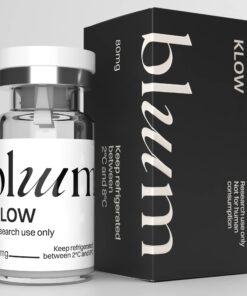
- KLOW peptide formulations
- Other copper-binding peptide complexes
These comparisons help researchers evaluate differences in molecular structure, copper coordination behavior, and analytical properties.
Quality Control and Analytical Verification
High-quality GHK-Cu 50mg research material should be supported by comprehensive analytical documentation to ensure laboratory consistency and traceability.
Documentation Standards
Researchers should verify:
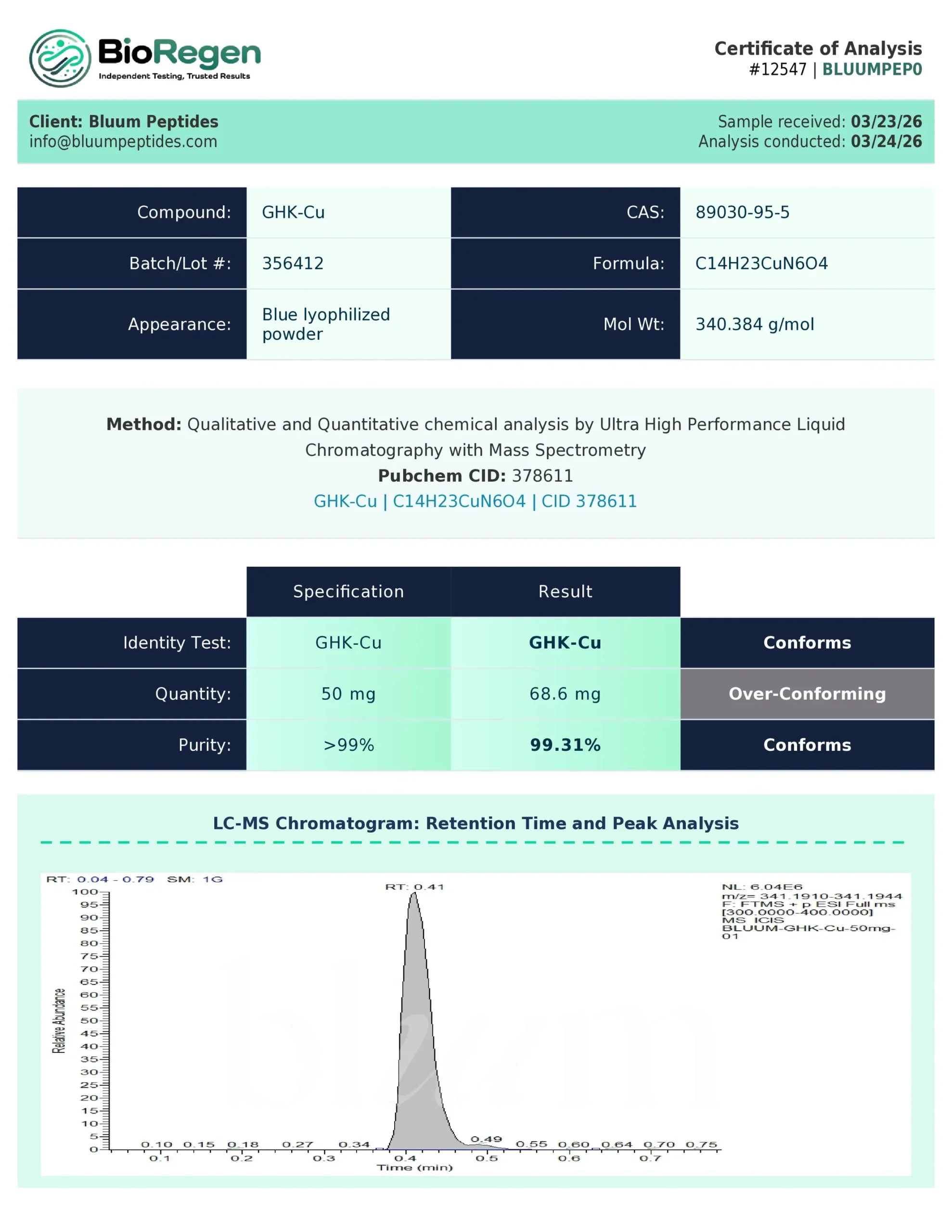
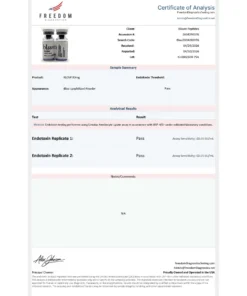
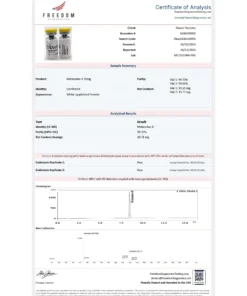
- Certificate of Analysis (COA)
- Batch traceability records
- Peptide identity confirmation
- Purity verification
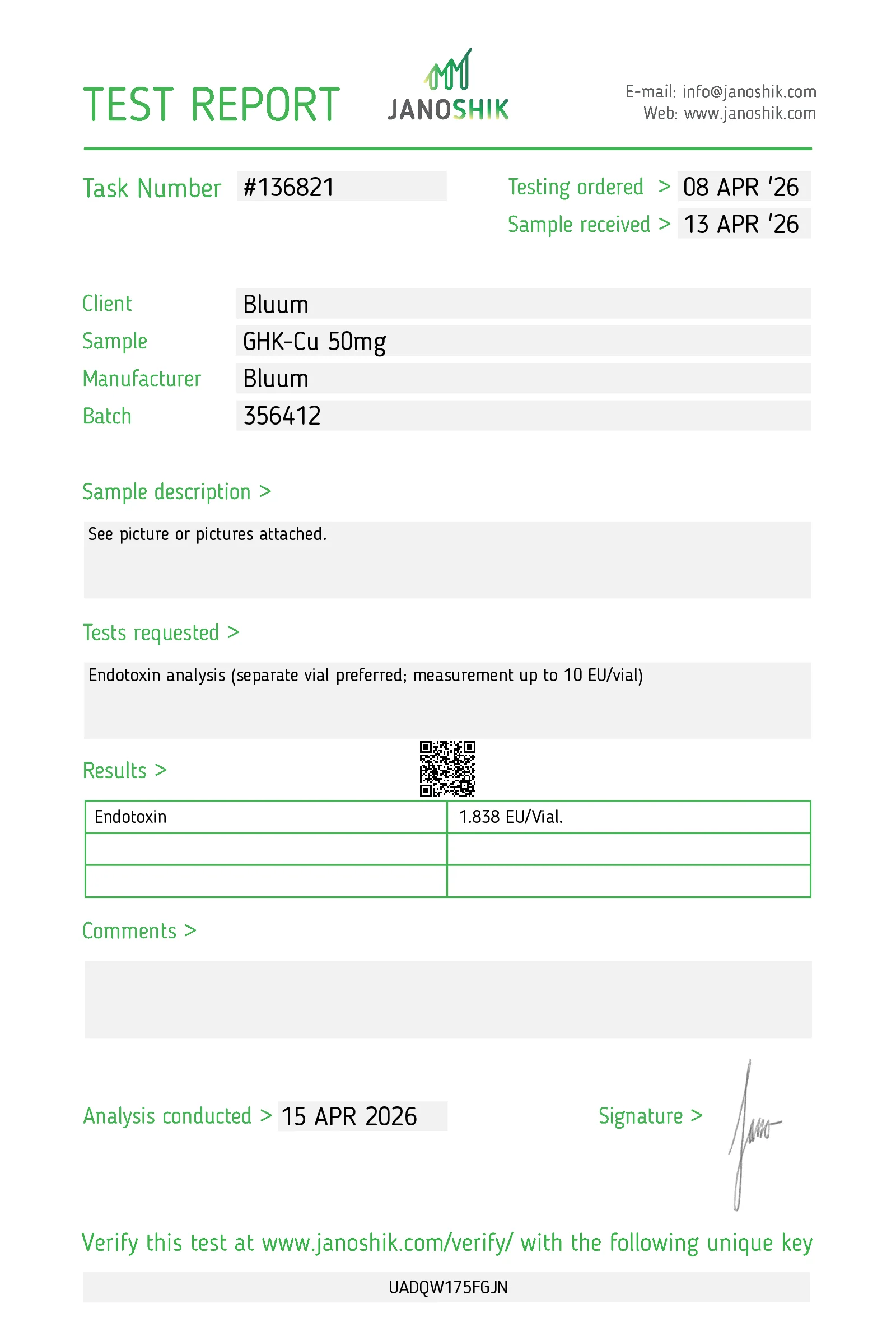
- Analytical testing documentation
- Manufacturing lot information
Analytical characterization is commonly performed using industry-standard techniques such as:
- High-Performance Liquid Chromatography (HPLC)
- Mass Spectrometry (MS)
- Identity Verification Testing
- Purity Analysis
Reliable documentation helps support reproducibility and consistency across research workflows.
For additional analytical standards and laboratory best practices, researchers may consult guidance published by the International Organization for Standardization (ISO) and the U.S. National Institutes of Health (NIH).
Related Research Compounds
GHK-Cu is often explored alongside related research compounds including:
AHK-Cu
Another copper-binding peptide complex frequently investigated in comparative peptide research.
GLOW Peptide Blend
A multi-peptide research formulation that may incorporate copper-peptide components within broader experimental models.
KLOW Peptide Blend
A peptide blend commonly referenced in laboratory studies examining peptide interaction systems and molecular characterization.
Researchers evaluating peptide-metal complexes often compare these compounds to better understand structural relationships, analytical properties, and research classifications.
Why Researchers Study GHK-Cu
GHK-Cu continues to attract scientific interest because of its:
- Well-documented peptide sequence
- Copper-binding characteristics
- Established analytical profile
- Research relevance in coordination chemistry
- Utility in peptide characterization studies
- Frequent appearance in scientific literature involving metal-peptide systems
Its defined molecular structure and extensive documentation make it a commonly referenced compound in peptide chemistry research.
Research Use Only Notice
GHK-Cu is supplied strictly for laboratory and scientific research purposes.
This material:
- Is not intended for human consumption
- Is not intended for animal consumption
- Is not approved for veterinary applications
- Is not intended for diagnostic procedures
- Is not intended for cosmetic use
- Must only be handled by qualified research professionals
Researchers should follow all applicable laboratory regulations, storage requirements, and handling procedures when working with peptide research materials.
About GHK-Cu
GHK-Cu 50mg (Glycyl-L-Histidyl-L-Lysine Copper) is a naturally occurring tripeptide–copper complex. It is extensively studied in preclinical models for its role as a pleiotropic signaling modulator, specifically regarding its influence on gene expression, redox balance, and extracellular matrix (ECM) regulation. When you buy GHK-Cu 50mg from Global Peptide Shop, you are guaranteed a high-purity research compound verified by independent third-party laboratories, including Janoshik, to ensure consistent batch quality and data integrity.
Available Sizes
GHK-Cu 50mg is supplied as a high-purity blue lyophilized powder in multiple sizes to support different research scales or experimental protocols:
- GHK-Cu 50mg
| Product Format | |
|---|---|
| Application | |
| Appearance | |
| Molecular Formula | |
| Molecular Weight | |
| PubChem CID | |
| CAS Number | |
| Synonyms | |
| Storage |
Brand
BLUUM
Only logged in customers who have purchased this product may leave a review.
Related products
BUY BLUUM PEPTIDES
BUY BLUUM PEPTIDES
BUY BLUUM PEPTIDES
BUY BLUUM PEPTIDES
BUY BLUUM PEPTIDES
BUY BLUUM PEPTIDES
BUY BLUUM PEPTIDES
BUY BLUUM PEPTIDES
Reviews
There are no reviews yet.