
 BIO-PEPTIDES
 BIOTECH PEPTIDES
 BulkGLP
 CORE PEPTIDES
 PEPTIDE157
 PEPTORA LABS
 Pura Peptides
 Rejuvatide-peptides
 XL PEPTIDES
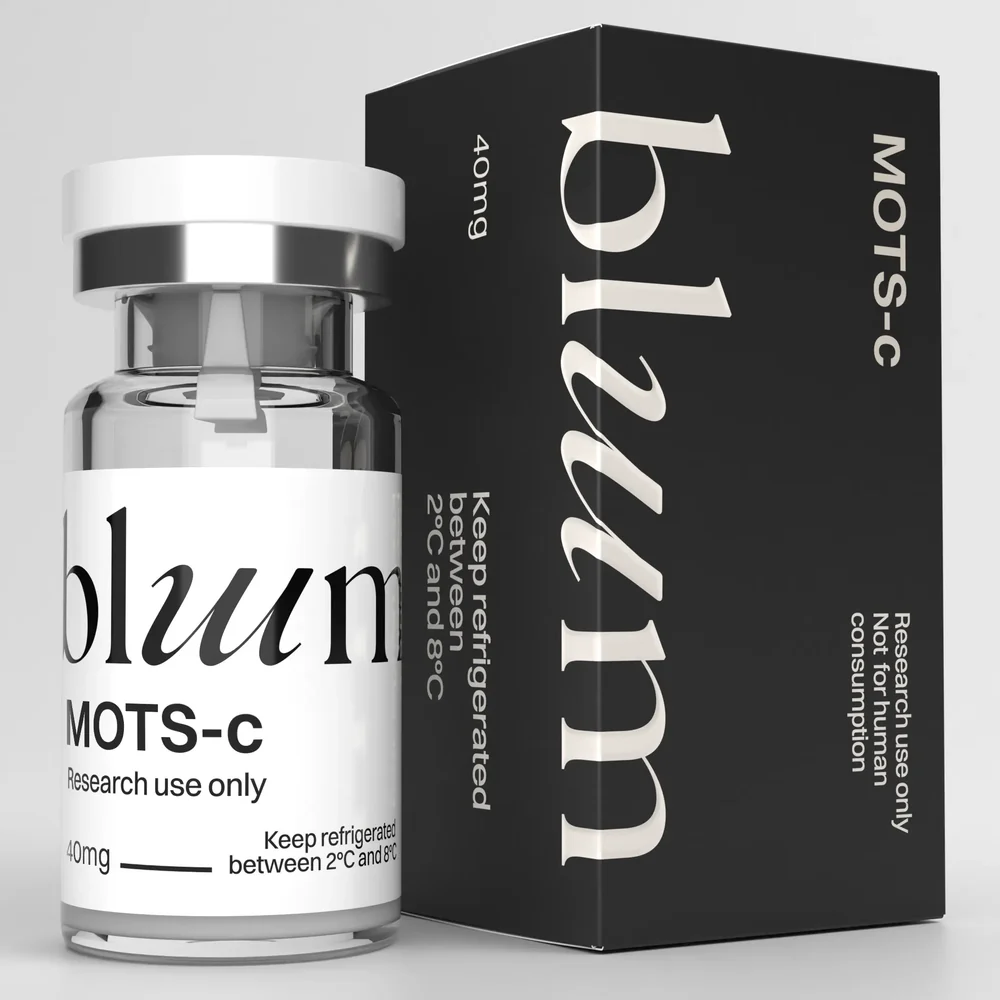
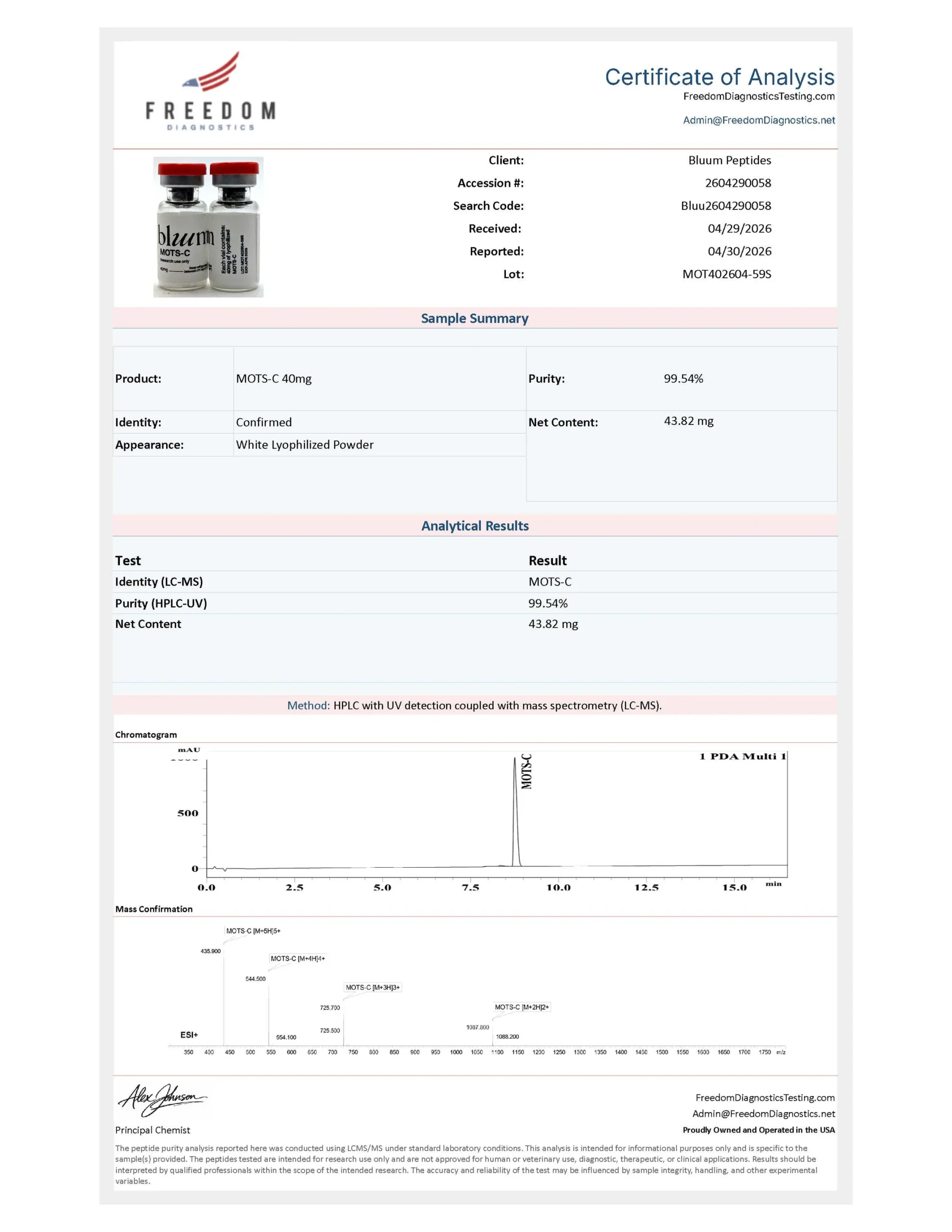
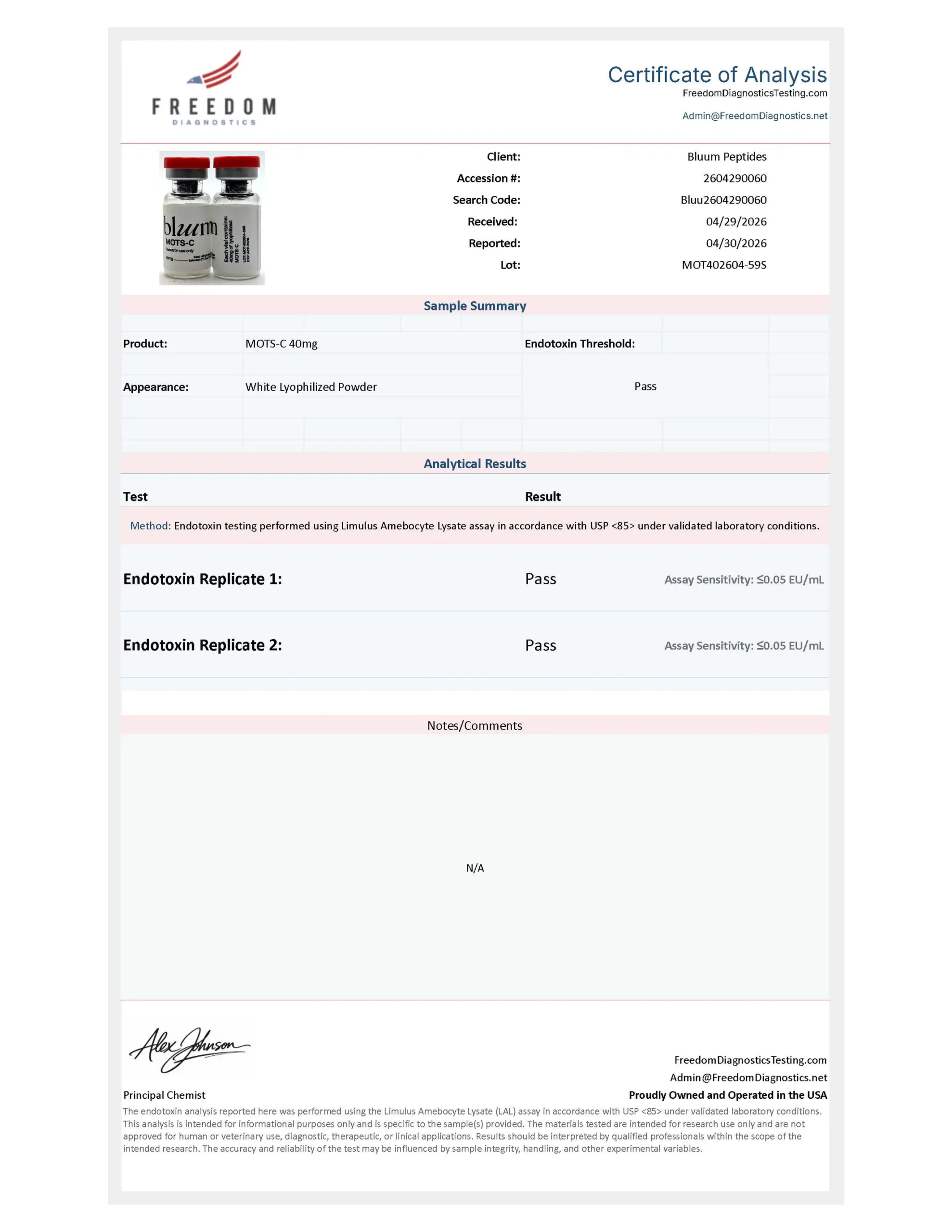
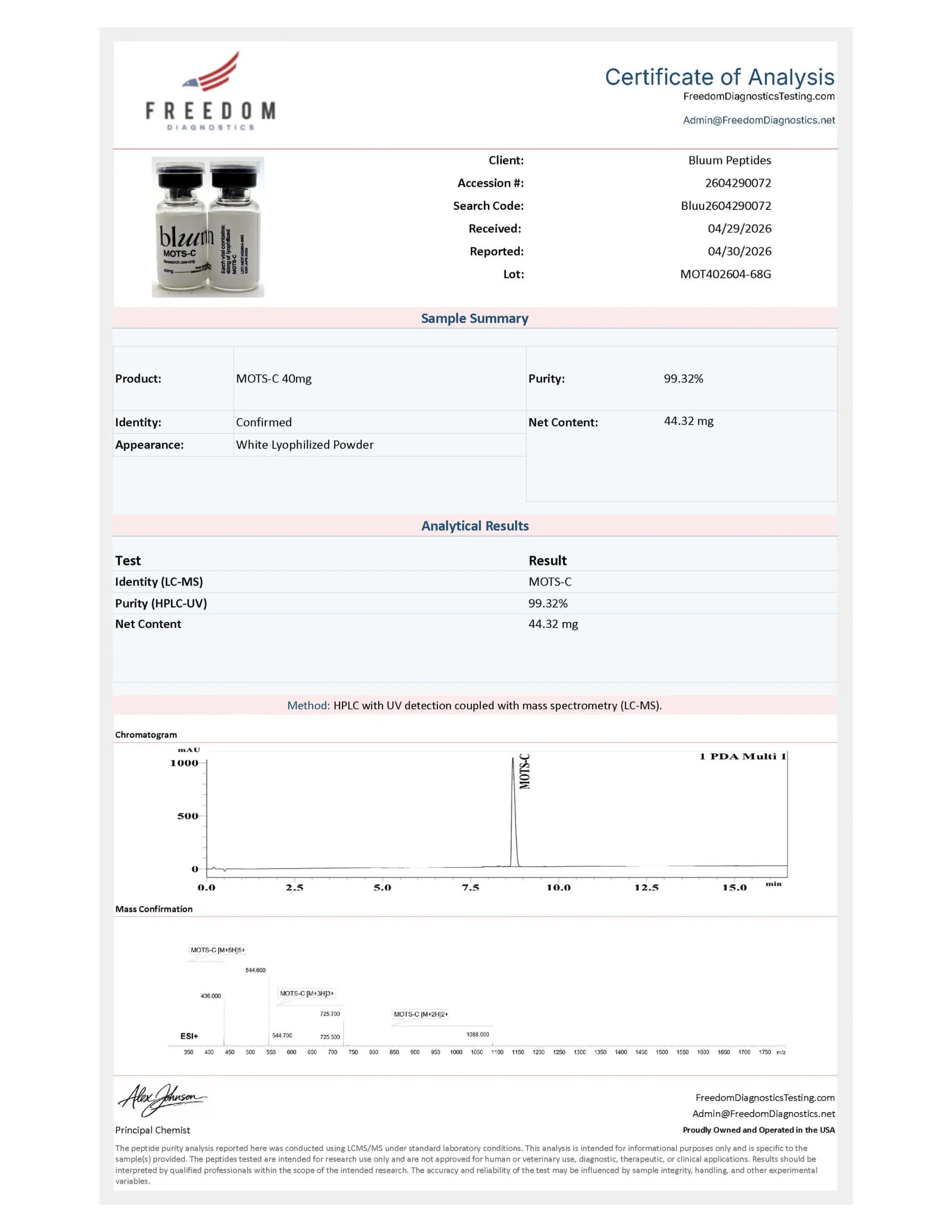
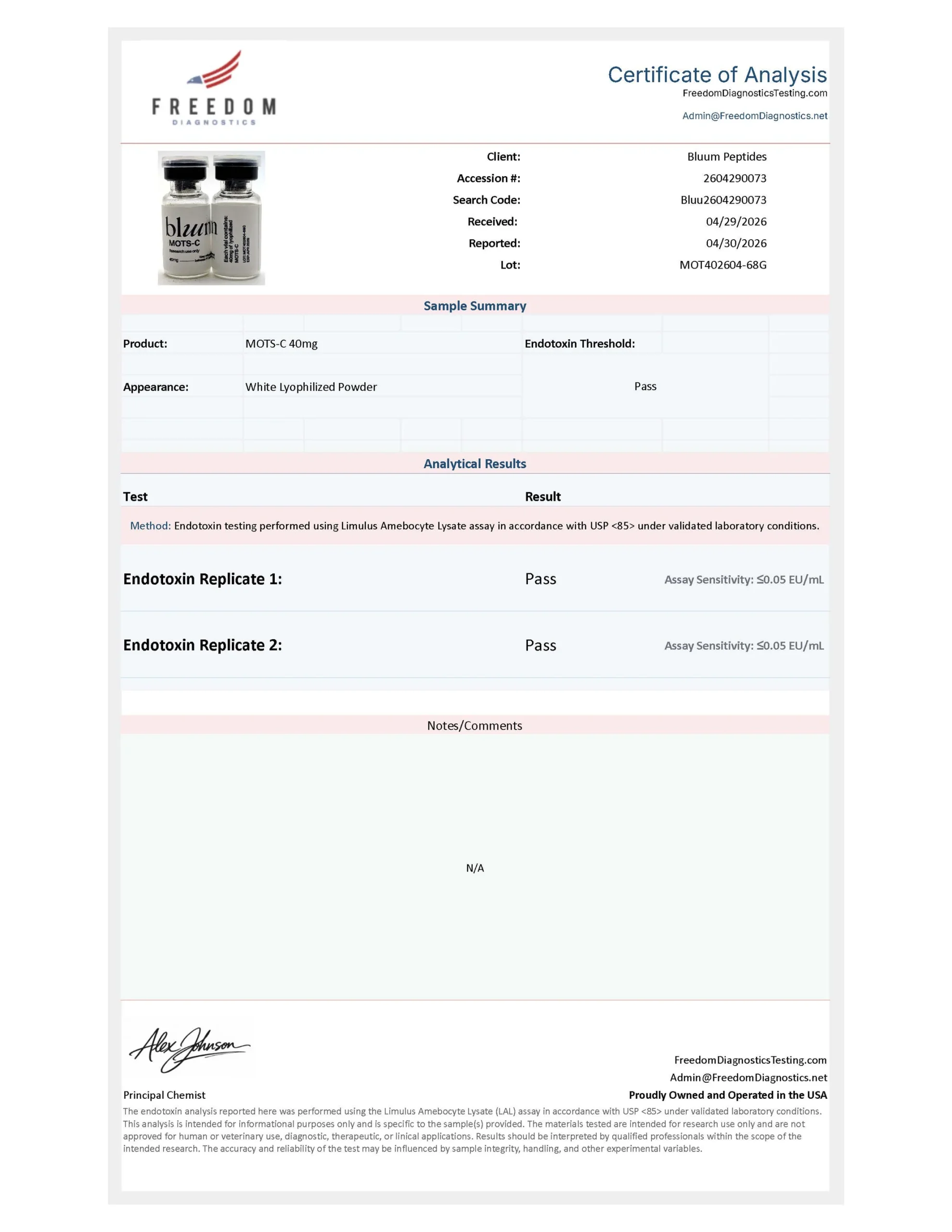

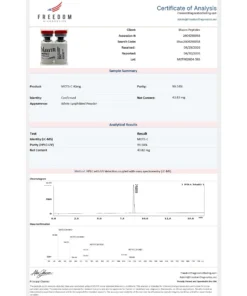
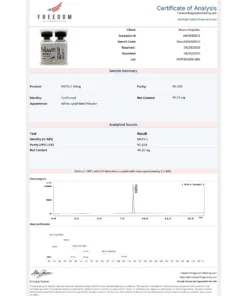
MOTS-c 40mg
Original price was: £113.00.£89.99Current price is: £89.99.
MOTS-c 40mg Peptide
MOTS-c 40mg (Mitochondrial Open reading frame of the 12S rRNA-c) is a 16–amino acid peptide encoded by the mitochondrial genome (within the 12S rRNA region). It is classified among mitochondrial‑derived peptides (MDPs) that may act as retrograde signals between mitochondria and nucleus, modulating metabolism and stress responses. Under metabolic stress (e.g. glucose restriction, oxidative stress), MOTS‑c has been shown to translocate from mitochondria into the nucleus, where it can influence nuclear gene expression and metabolic pathways.
Overview & Mechanism of Action
MOTS-c 40mg enhances insulin sensitivity and glucose metabolism, especially in skeletal muscle, partly via activation of AMPK and interactions with one‑carbon metabolism / AICAR pathways. In mice fed a high‑fat diet, MOTS‑c treatment prevented obesity, improved glucose tolerance, reduced insulin resistance, and increased energy expenditure.
In aged and middle‑aged mice, MOTS‑c administration improved treadmill endurance, grip strength, gait, and metabolic parameters compared to controls. MOTS‑c reduces high‑fat diet–induced muscle atrophy signaling by downregulating expression of myostatin and modulating pathways (CK2‑PTEN‑mTORC2‑AKT‑FOXO1). It has also been shown in animal models to suppress MAPK (ERK, JNK, p38) phosphorylation and reduce pro‑inflammatory cytokine production in septic or inflammatory conditions.
Emerging evidence suggests MOTS‑c promotes osteoblast proliferation, differentiation, and mineralization, while inhibiting osteoclastogenesis (bone resorption) via AMPK and TGF‑β / Smad signaling pathways. Buy now online at Global Peptide Shop UK
Research and Clinical Insights
Plasma MOTS-c 40mg levels decline with age, while skeletal muscle expression increases in older men. MOTS‑c levels correlate with insulin resistance metrics in humans, especially among lean individuals. A review of MOTS‑c in diabetes and aging highlights its therapeutic potential in type 1 & type 2 diabetes.
In ovarian cancer, MOTS‑c expression is decreased in tumor tissue and serum, and exogenous MOTS‑c suppressed proliferation, migration, and invasion of cancer cells via interaction with LARS1 and modulation of ubiquitination. Also, MOTS-c 40mg mRNA and protein abnormalities have been observed in adrenal tumors, correlating with metabolic markers.
MOTS-c 40mg improves mitochondrial homeostasis, reduces ROS, and restores youthful phenotypes in aged human placenta‑derived mesenchymal stem cells (hPD‑MSCs) by activating AMPK and inhibiting mTORC1.
Strengths & Future Directions
Strengths:• Multi-system effects: metabolism, muscle, inflammation, bone• Endogenous origin (mitochondrial) gives the peptide unique regulatory potential• Stress‑responsive nuclear translocation suggests dynamic regulation
| Form | |
|---|---|
| Application | |
| Appearance | |
| Chemical Formula | |
| PubChem CID | |
| CAS Number | |
| Molecular Weight | |
| Synonyms | |
| Storage | |
| Sequence |
Brand
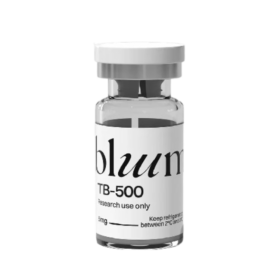
BLUUM
Only logged in customers who have purchased this product may leave a review.
Related products

BUY BLUUM PEPTIDES

BUY BLUUM PEPTIDES

BUY BLUUM PEPTIDES

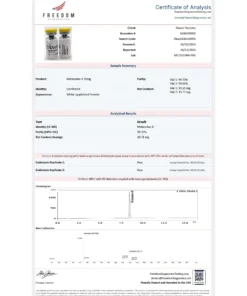
BUY BLUUM PEPTIDES

BUY BLUUM PEPTIDES

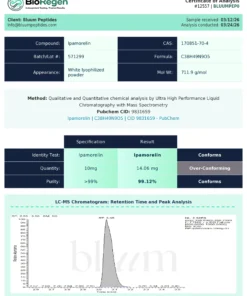
BUY BLUUM PEPTIDES

BUY BLUUM PEPTIDES

BUY BLUUM PEPTIDES

Reviews
There are no reviews yet.