
 BIO-PEPTIDES
 BIOTECH PEPTIDES
 BulkGLP
 CORE PEPTIDES
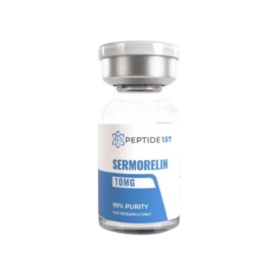 PEPTIDE157
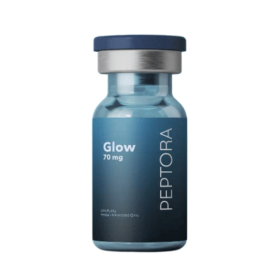 PEPTORA LABS
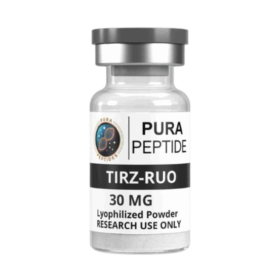 Pura Peptides
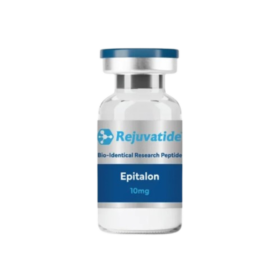 Rejuvatide-peptides
 XL PEPTIDES
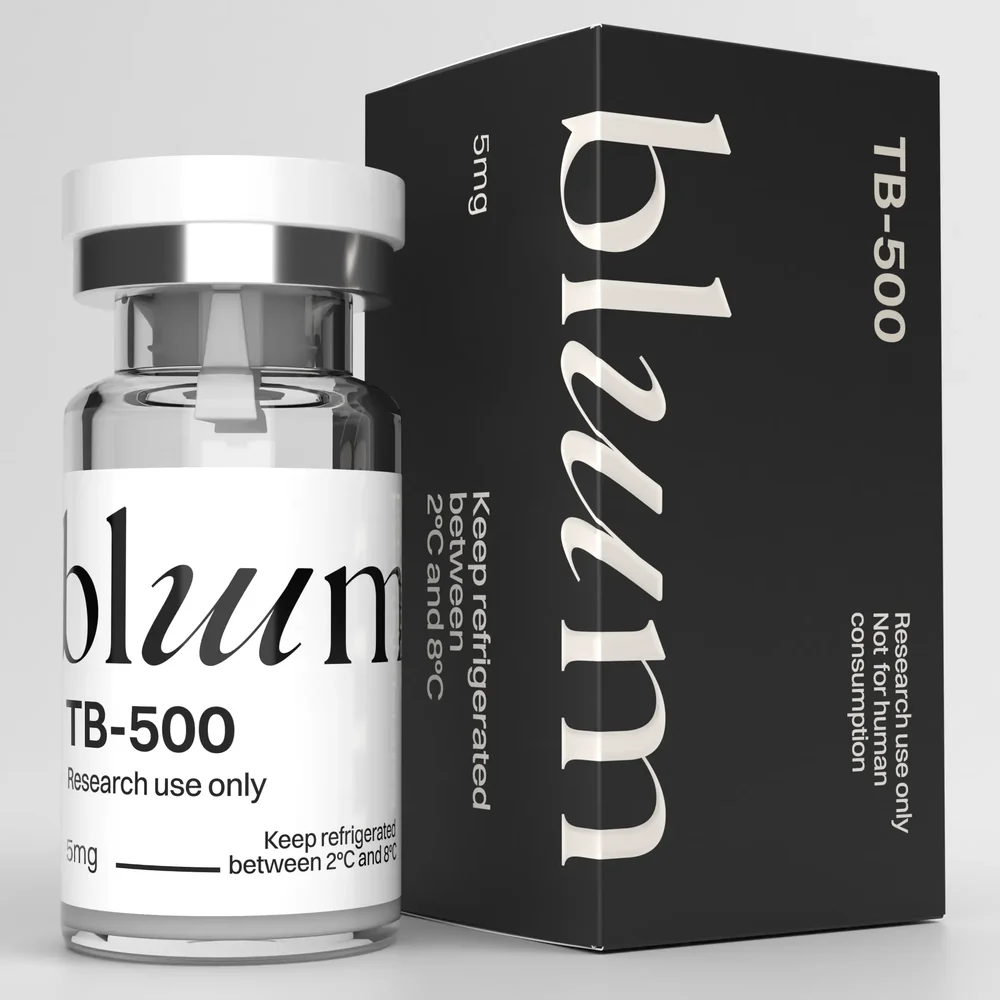
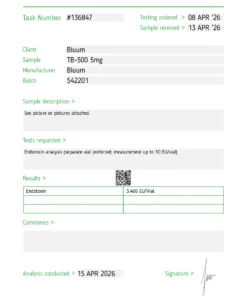
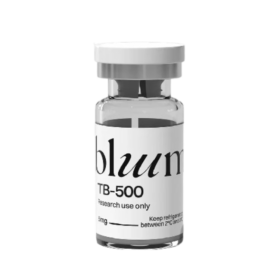
TB-500 5mg
Original price was: £44.00.£33.99Current price is: £33.99.
TB-500 Research Peptide Overview
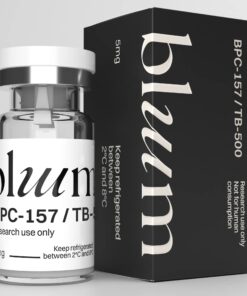
TB-500 5mg is a synthetic peptide fragment commonly referenced in laboratory research involving thymosin beta-4-related compounds, peptide-fragment classification, cytoskeletal marker systems, and actin-associated signaling pathways. Researchers frequently study TB-500 5mg within controlled experimental environments to examine peptide identity, sequence characterization, analytical verification, and molecular interaction models.
At Global Peptide Shop UK, we supply high-purity TB-500 research material supported by batch-specific analytical documentation, third-party testing, purity verification, and lot traceability. Every batch is produced to support the needs of research professionals seeking reliable and reproducible laboratory materials.
Researchers can learn more about peptide chemistry and peptide classification through resources such as PubChem, PubMed, and NCBI.
Understanding TB-500 5mg
TB-500 is generally described as a synthetic peptide fragment associated with thymosin beta-4 research. While the peptide is frequently discussed alongside thymosin beta-4, researchers should recognize that TB-500 and full-length thymosin beta-4 are distinct materials with different structural characteristics and research classifications.
In laboratory environments, TB-500 is often utilized in studies involving:
- Peptide fragment identification
- Sequence verification
- Cytoskeletal marker systems
- Actin-associated molecular pathways
- Cell-migration assay models
- Peptide stability investigations
- Analytical characterization studies
- Research methodology development
Its widespread recognition within peptide research has made TB-500 one of the most commonly referenced synthetic peptide fragments in the research market.
Structure and Classification
| Product Specifications | |
|---|---|
| Application | |
| Appearance | |
| Chemical Formula | |
| PubChem CID | |
| CAS Number | |
| Molecular Weight | |
| Synonyms | |
| Storage |
Researchers frequently evaluate peptide fragments based on sequence accuracy, structural integrity, and analytical consistency. As a result, documentation and quality-control standards are particularly important when sourcing TB-500 research materials.
TB-500 vs Thymosin Beta-4
One of the most common research questions involves the distinction between TB-500 and full thymosin beta-4.
Thymosin Beta-4
Thymosin beta-4 is a naturally occurring peptide that has been studied extensively within biological and biochemical research.
TB-500
TB-500 is a synthetic peptide fragment related to thymosin beta-4 research and is commonly utilized in laboratory studies focused on peptide characterization, analytical verification, and experimental peptide systems.
Researchers comparing these compounds often examine:
- Sequence identity
- Molecular structure
- Fragment classification
- Analytical profiles
- Purity specifications
- Laboratory testing methodologies
For peptide sequence information and molecular records, researchers may consult databases maintained by UniProt and EMBL-EBI.
Research Applications
TB-500 is frequently referenced in laboratory investigations involving:
Cytoskeletal Marker Systems
Studies examining cellular architecture and structural protein marker systems.
Actin-Related Signaling Research
Experimental models involving actin-associated pathways and molecular signaling analysis.
Peptide Fragment Characterization
Research evaluating peptide sequence identity, molecular integrity, and structural verification.
Cell-Migration Assay Models
Controlled laboratory investigations utilizing peptide fragments as part of broader research methodologies.
Analytical Method Development
Validation and optimization of laboratory procedures used for peptide analysis and characterization.
Why Sequence Identity Matters
For researchers working with peptide fragments, sequence identity remains one of the most important quality indicators.
Accurate sequence verification supports:
- Experimental reproducibility
- Analytical consistency
- Batch-to-batch comparison
- Documentation integrity
- Research transparency
Researchers should always review batch-specific documentation and analytical reports before incorporating peptide materials into laboratory workflows.
Quality Standards at Global Peptide Shop UK
At Global Peptide Shop UK, quality assurance is central to every product supplied.
Third-Party Testing
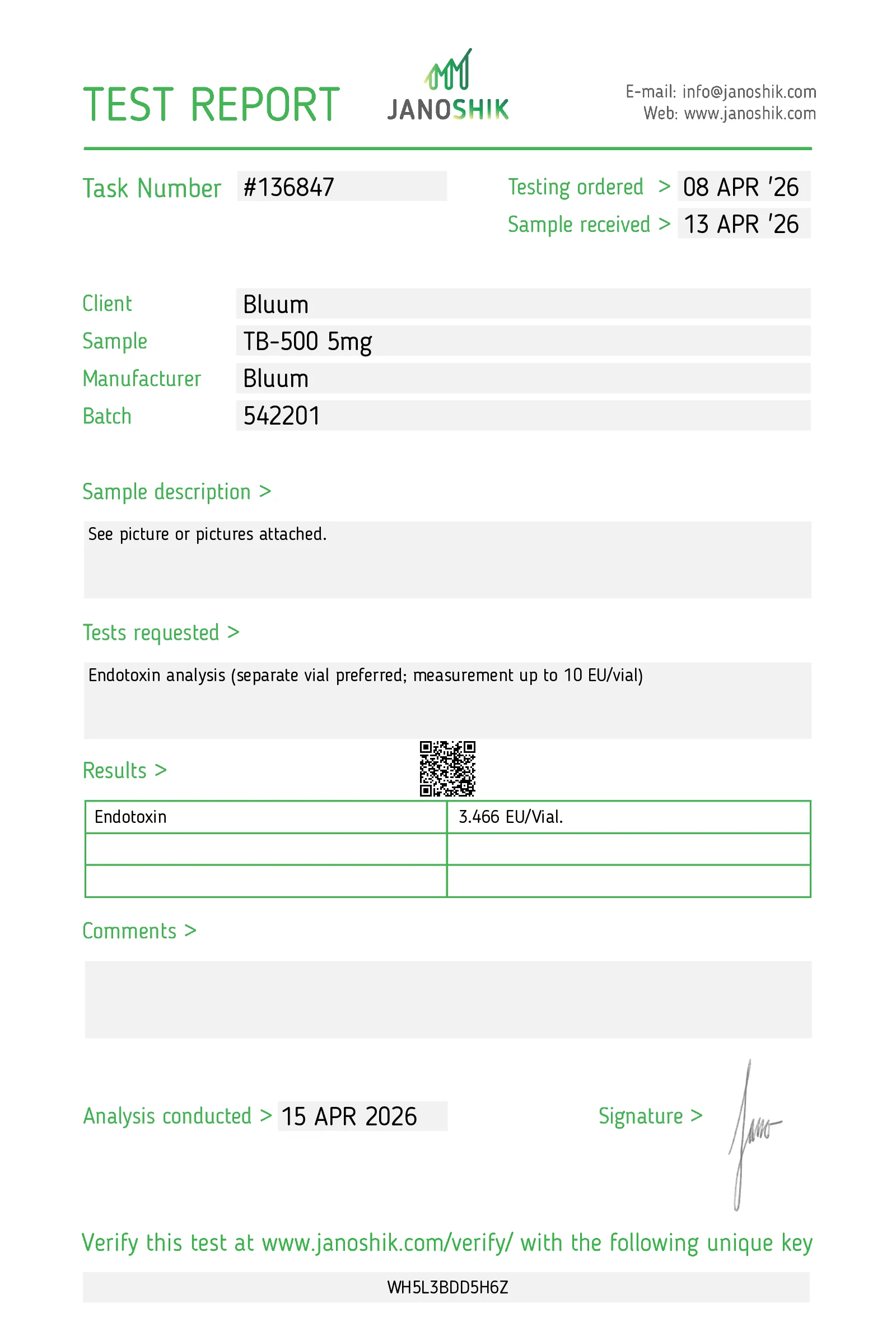
Independent testing helps verify product identity and analytical specifications.
Certificate of Analysis (COA)
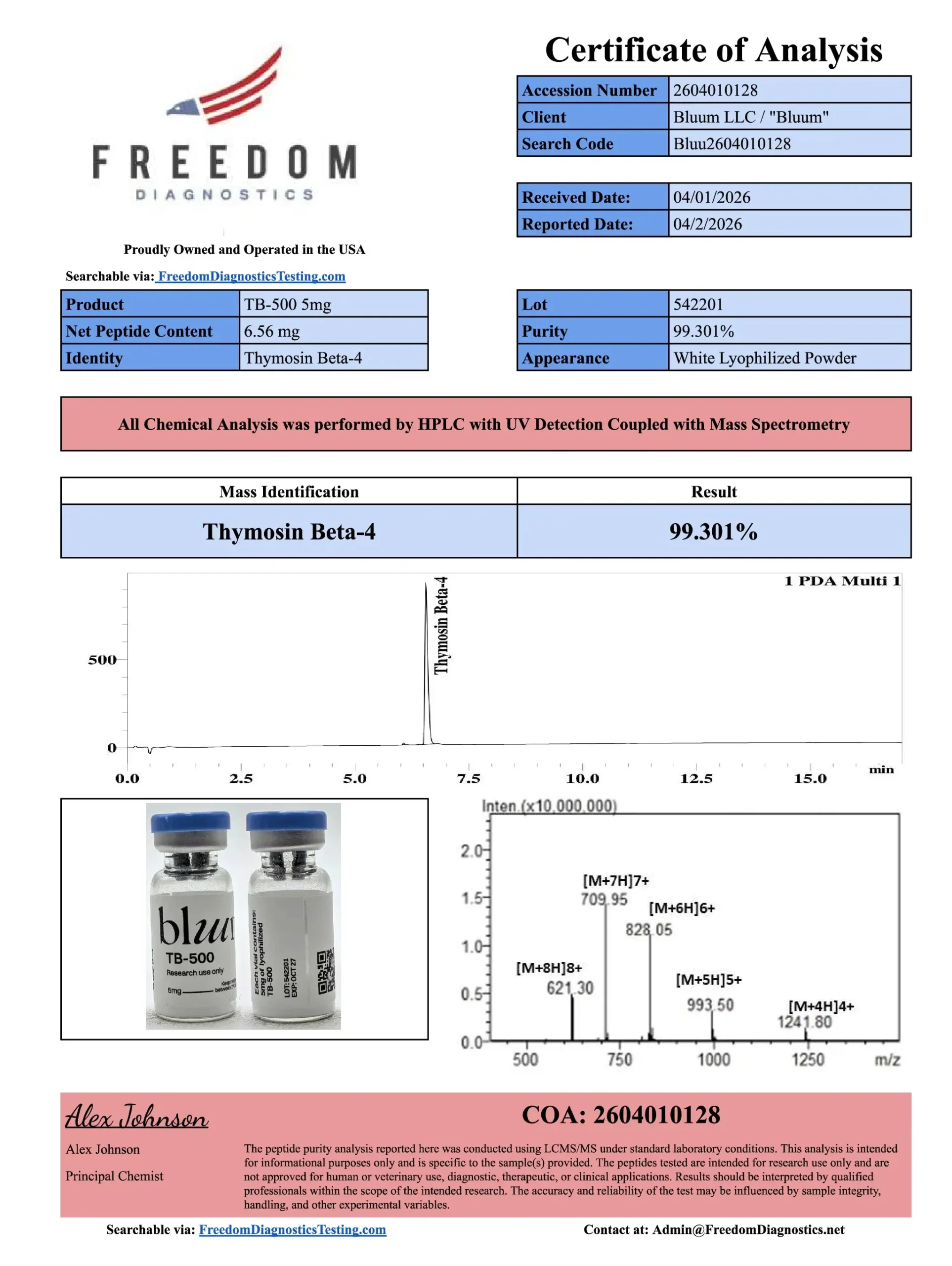
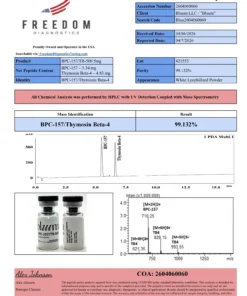
Each batch is supported by detailed analytical documentation outlining testing results and product specifications.
Purity Verification
Analytical testing procedures are used to assess product consistency and quality standards.
Identity Confirmation
Researchers can review supporting documentation that verifies peptide identity and batch accuracy.
Lot Traceability
Every production lot is documented to support transparency, reproducibility, and long-term research record keeping.
For additional information regarding laboratory quality standards, researchers may review publications from the International Organization for Standardization (ISO) and the National Institutes of Health (NIH).
Comparing TB-500 5mg with Other Research Peptides
Researchers often compare TB-500 5mg with other peptide materials used in laboratory studies.
TB-500 vs BPC-157
Comparisons frequently focus on:
- Peptide classification
- Structural characteristics
- Sequence composition
- Research categories
- Documentation requirements
TB-500 5mg and Research Blends
Some research formulations combine multiple peptide components. In these situations, researchers should carefully evaluate:
- Individual peptide identities
- Blend composition
- Purity reporting
- Analytical documentation
- Batch-specific COAs
Proper documentation becomes increasingly important when evaluating multi-component research materials.
Storage and Handling
To maintain product integrity:
- Store sealed until required.
- Keep refrigerated according to product specifications.
- Protect from moisture exposure.
- Avoid excessive heat and direct sunlight.
- Follow appropriate laboratory handling procedures.
- Retain all analytical documentation for research records.
Frequently Asked Questions
What is TB-500?
TB-500 5mg is a synthetic peptide fragment associated with thymosin beta-4 research and commonly used in laboratory investigations involving peptide characterization and molecular analysis.
Is TB-500 the same as thymosin beta-4?
No. TB-500 5mg is generally classified as a synthetic peptide fragment, whereas thymosin beta-4 is a naturally occurring peptide. Researchers often compare the two during analytical studies.
Why is sequence identity important?
Sequence identity helps researchers verify peptide accuracy, improve reproducibility, and maintain experimental consistency.
What documentation should accompany TB-500?
Researchers should review Certificates of Analysis (COAs), purity reports, identity confirmation records, and lot-traceability documentation.
Is TB-500 intended for human use?
No. TB-500 5mg supplied by Global Peptide Shop UK is sold strictly for laboratory research purposes only.
How should TB-500 be stored?
Store according to product specifications, protected from heat, moisture, and direct light exposure.
Research Use Only Notice
TB-500 is supplied strictly for laboratory and scientific research purposes.
This product:
- Is not intended for human consumption
- Is not intended for animal consumption
- Is not approved for veterinary applications
- Is not intended for diagnostic procedures
- Is not intended for therapeutic use
- Must only be handled by qualified research personnel
Researchers are responsible for complying with all applicable regulations, storage requirements, and laboratory handling procedures.
Brand
BLUUM
Only logged in customers who have purchased this product may leave a review.
Related products
BUY BLUUM PEPTIDES
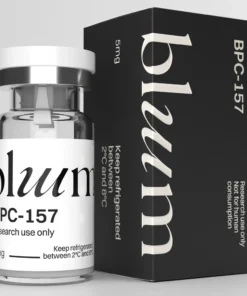
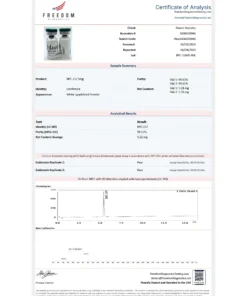
BUY BLUUM PEPTIDES
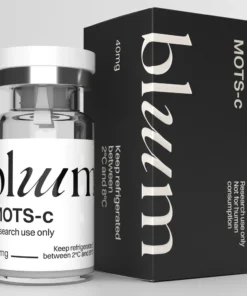
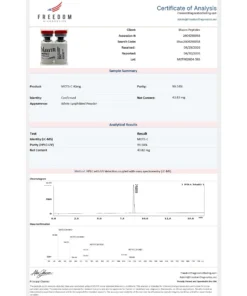
BUY BLUUM PEPTIDES
BUY BLUUM PEPTIDES
BUY BLUUM PEPTIDES
BUY BLUUM PEPTIDES
BUY BLUUM PEPTIDES
BUY BLUUM PEPTIDES
Reviews
There are no reviews yet.